
Lagos State Governor Babajide Sanwo-Olu has said that the $100 million First Film City in the state will help to create numerous job opportunities, stimulate economic growth and attract investments to the state.
Sanwo-Olu made the remark on Wednesday while performing the official groundbreaking ceremony of the $100 million (one hundred million) Dollars Lagos Film City Project at Ejinrin, Epe, in the Lagos-East Senatorial District.
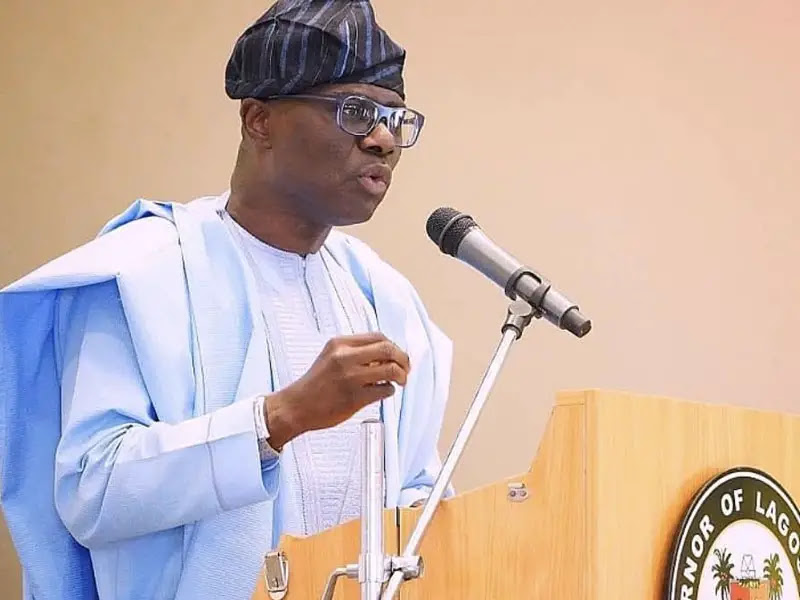
The governor noted that the $100million film city, which covers 100 hectares of land, will be executed on the Private Public Partnership (PPP) model, adding: “We are laying the foundation for a creative hub that will serve as a catalyst for innovation, talent discovery, and storytelling excellence.”
According to the governor, the film city will be a testament to his administration’s commitment to nurturing the arts and supporting the dreams of aspiring filmmakers, actors, and technicians.
He enjoined various stakeholders, including filmmakers, investors, educators and the community at large – to join hands and contribute towards the success of the film city.
“Let us work together to build an ecosystem that nurtures creativity, fosters collaboration, and empowers our artists to push the boundaries of their craft,” he added.
He said that the film industry has the power to transcend boundaries, bring people together, as well as has the ability to inspire, entertain, and educate.
 |
The governor said that the “momentous and historic occasion marked a significant milestone in the state’s journey towards creating a thriving and vibrant film industry that will not only captivate audiences worldwide but also contribute to the economic growth and cultural development of our beloved state.”
He said that the event is a journey that will redefine the landscape of the film industry in Lagos State.
The governor thanked the Ejirin monarch, as well as the partners for their collaboration on his administration’s interventions in the entertainment industry, saying that the project would serve as a catalyst to provide jobs, stimulate growth and support the value chain of film making.
Also at the event, the Commissioner for Tourism, Arts and Culture, Toke-Benson Awoyinka, said the Lagos Film City would be the biggest in Africa both in contents, acting, training, cinematography and creativity, urging investors to partner the state on the initiative.
She also commended the host community for its supports, saying the project, which is a state government initiative, in collaboration with the private sector, would be a major boost for the entertainment and creative industry.

The Lagos City Film Project, Ejinrin, when completed, will bring about developments and make Lagos State a force to reckon in the entertainment and creative industry across the globe.
Sanwo-Olu said that “Through the magic of cinema, we can showcase the rich cultural heritage of Lagos State, tell stories that reflect their shared experiences, and amplify the voices of our diverse communities.”
This film city, he added, ‘will serve as a canvas for these stories, providing a platform for our talented artists to shine on both local and global stages.”
The Film City, the governor said, “will be a hub for film production, post-production, visual effects, and all the ancillary services that support the filmmaking process.
“We envision a film city that is equipped with state-of-the-art facilities, sound stages, editing suites, production offices, and everything necessary to bring the magic of the silver screen to life.”
.jpeg)


Comments
Post a Comment